Mastercard pushes tokenisation as payments go passive
Transactions fade into the background when there’s trust.
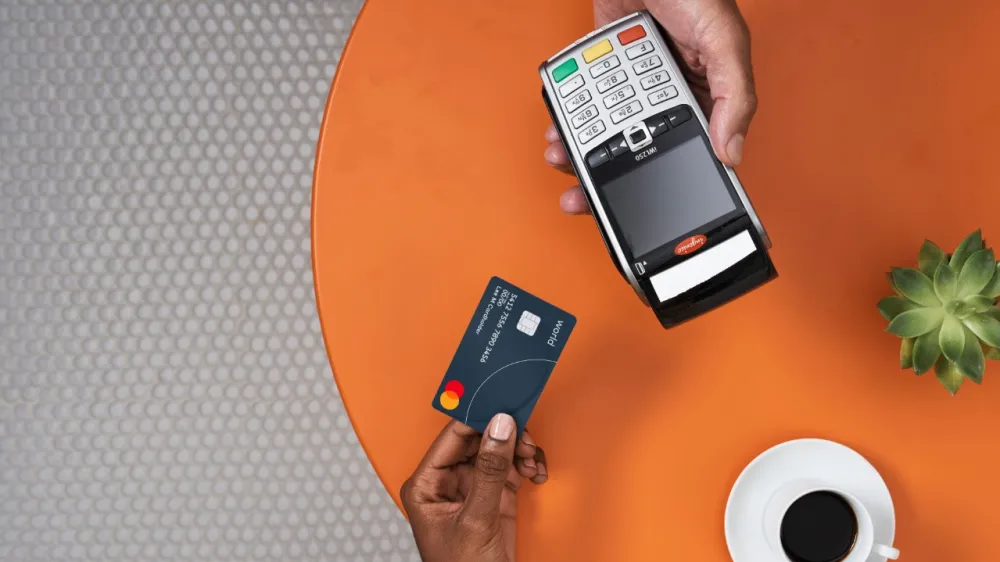
Mastercard is betting on a future where payments are largely automatic, leveraging tokenisation and artificial intelligence (AI) agents to reduce friction in everyday transactions.
The company envisions a system in which users rarely need to input payment details—similar to how a Grab ride automatically charges an e-wallet or card. Matthew Driver, Mastercard’s executive vice president for Services in Asia-Pacific, said the model relies on both technology and consumer trust.
“For us, it’s making sure that we provide the interoperability across systems and that we’re able to leverage the trust that comes with our brand,” he told Asian Banking & Finance.
Payments become invisible when there’s trust, he pointed out. In the Grab example, riders get confirmation and authentication messages before, during, and after the transaction, ensuring transparency and reliability.
Tokenisation and real-time fraud monitoring underpin the system, he said, forming a digital layer that Mastercard aims to keep operational at all times.
Despite advances, fragmentation is a persistent issue. New payment rails, fintech entrants, and digital assets such as stablecoins are multiplying transaction options, creating complexity for consumers and providers alike.
Companies are increasingly turning to partnerships to maintain interoperability. Driver said linking account-to-account rails, card networks, QR payments, and tokenised assets will be critical.
“There are partners that bring a technology or application which, combined with your own capabilities, creates a better solution for customers or a segment,” he said via Zoom.
Driver said payments are becoming a patchwork of digital and smart assets that need open systems to work across platforms and countries. Mastercard aims to connect these systems whilst keeping consent and interoperability in place.
Agentic payments—transactions carried out by AI agents on behalf of users—are one area of focus. Mastercard has introduced Agent Pay, which integrates generative AI with payments on conversational platforms.
The system tracks transactions via tokens and other safeguards to ensure accountability in the event of disputes.
Eventually, AI agents could handle complex bookings, such as arranging flights and hotels. But widespread adoption will hinge on reliability and user confidence.
Trust and authentication are the differentiators that will make people feel comfortable using AI this way, Driver said.
The underlying challenge, he added, is protecting consumers across an expanding array of channels.
“Whilst the technology is very exciting, the hard work in this framework is to make sure that the consumer is protected through the entire system,” he said.












 Read Here
 Advertise
 Sign Up