Neobanks serve 1 billion customers but lending gap keeps profit out of reach
Finastra and Moody's say moving from transaction revenue to lending and relationship pricing is what closes the profitability gap.
Digital-first banks now serve more than 1 billion customers globally, but their 5% share of retail banking revenue shows that user growth has not yet solved the profitability problem.
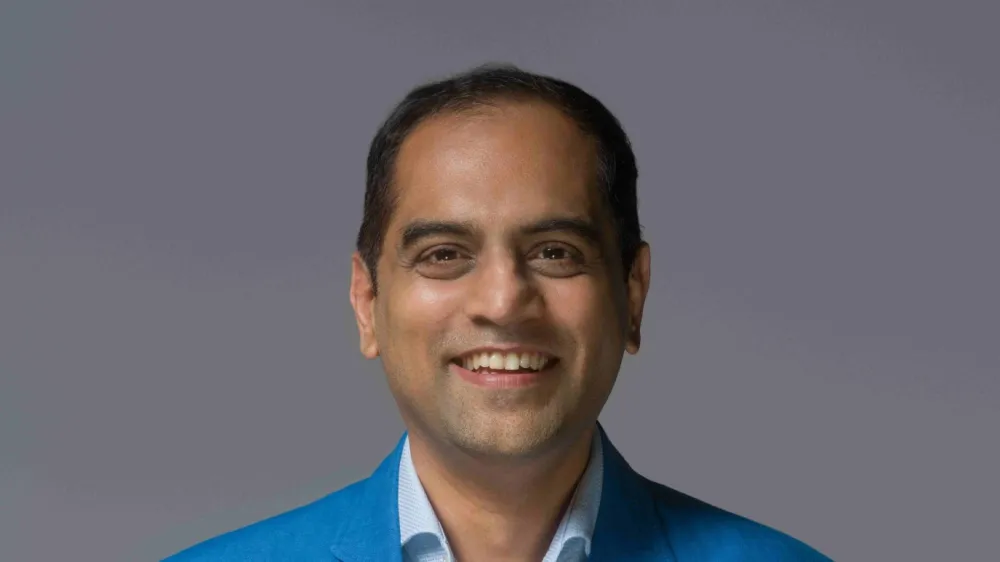
Narendra Mistry, Chief Product Officer for Universal Banking at Finastra, said many neobanks acquired customers faster than they built monetisation capabilities. Early digital banks reduced friction and scaled quickly, but often lacked revenue architecture, product depth and account primacy.
“Scale doesn't automatically translate into profitability,” Mistry said.
Many customers still use traditional banks for salaries and credit, whilst using neobanks mainly for spending or foreign exchange. Mistry said that leaves digital banks “monetising fragments, not relationships.”
Tengfu Li, VP-Senior Analyst for the Financial Institutions Group at Moody’s Ratings, said digital banks often serve lower-income, self-employed and small-business segments, making direct comparisons with conventional banks unfair. The bigger issue is whether deposits and payments can be converted into lending.
“For a digital bank to turn profitable, we believe that, you know, scaling lending is the key,” Li said.
Mistry said lending customers can generate up to 20 times the revenue of payment-only customers. He cited Tonik in the Philippines, which reached profitability in about five years after taking a lending-first approach supported by data, underwriting and core banking flexibility.
Pricing is also changing. Mistry said neobanks must move from transaction-based revenue to relationship-based monetisation, including lending, deposits, subscriptions and real-time adaptive pricing. Li said fee income from loan comparison, microinsurance, investment products and partnerships can support profitability, though it cannot replace lending.
Cross-selling creates another test. Mistry said “Cross sell only works when it feels like advice and not advertising.” Li said banks should avoid blanket campaigns, require customer consent and track complaint rates and net promoter scores alongside sales.
For neobanks, profitability depends on deepening relationships without eroding trust.



















 Read Here
 Advertise
 Sign Up








Commentary
How alternative data lending is reaching Southeast Asia's unscored MSMEs
Asia is leading payments modernisation and banks can't afford to fall behind
Investing in an inefficient market
Platinum cards, paper-thin compliance?
Energy price volatility highlights structural gaps for managing FX risk in APAC