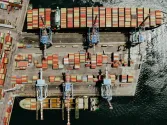
Philippine banks resilient but energy and debt risks loom: regulators
Sectors sensitive to energy and interest rates were flagged by the stability council.
The Philippine banking sector remains resilient despite ongoing risks from war, corporate debt, and household debt, the central bank’s Financial Stability Coordination Council (FSCC) said.
FSCC warned that a prolonged war in the Middle East could push oil prices higher, which in turn could weaken market sentiment, tighten financial conditions, and drag both domestic and global growth.
On corporate debt, the FSCC flagged sectors that are sensitive to energy and interest rate movements. Higher energy costs and tighter financing conditions could make it harder for businesses to pay back loans, it said, which in turn could compress financial institutions’ margins.
“We see pockets of vulnerability in energy- and interest-rate-sensitive sectors and in valuation pressures from higher bond yields,” said Eli M. Remolona, Jr., Bangko Sentral ng Pilipinas (BSP) Governor and FSCC chairman.
The council also said there is a need to closely monitor borrowers’ ability to pay loans.
“Nonetheless, the financial system remains on solid footing. Banks have adequate capital and liquidity buffers to absorb shocks and keep lending to households and firms,” Remolona said.















 Read Here
 Advertise
 Sign Up