Indonesian corporates raise the bar, banks urged to reinvent corporate banking and treasury services
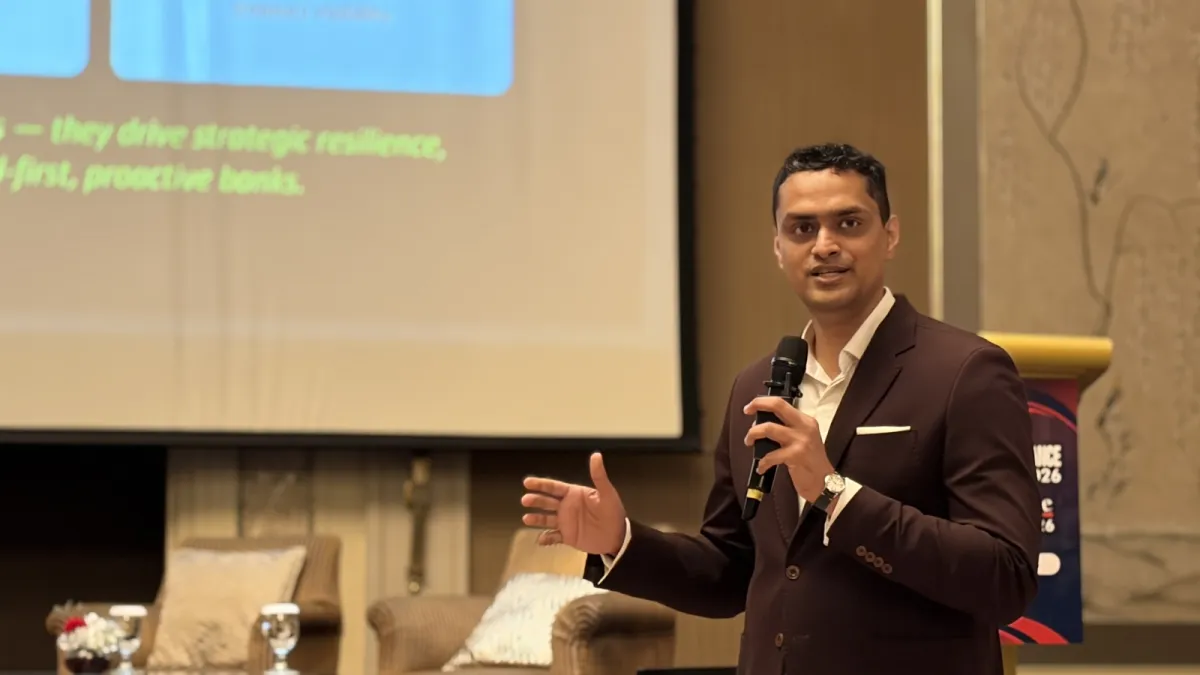
Monitor Deloitte's Prashant Krishnan urged banks to transform their relationship models to meet these demands.
Indonesia’s corporate CFO’s and treasurers are raising the bar, pressing banks to deliver far more than basic transactions amid volatile markets.
At the recent Asian Banking & Finance and Insurance Asia Summit in Jakarta, Prashant Krishnan, a director at Monitor Deloitte, said treasurers now expect banks to help enhance returns, manage liquidity, and reduce risk as strategic partners, not just as transactional lenders.
The IDR’s volatility and rising funding costs have made companies “laser-focused on how their banks can boost cash returns and ensure liquidity resilience,” Krishnan said, forcing a rethink of how banks serve corporate clients.
Krishnan urged banks to transform their relationship models to meet these demands. “The earlier way of relationship management, where we [banks] see ourselves as transaction bankers, is not really applicable anymore because treasurers want more CFO-level advisory conversations,” he said.
Instead of product-pushing RMs, leading banks are now assigning senior treasury advisory teams to engage CFOs and group treasurers on strategic issues like capital structure and risk planning.
Krishnan also highlighted how banks can better segment corporate clients by needs and sophistication, rather than just size. He pointed to three key segments in Indonesia – large SOEs and conglomerates, exporters/importers in commodities, and digital-native mid-market firms – each with different expectations and requiring tailored support. “Startups have very different demands
from an SOE. They want tech-heavy treasury platforms and integrated FX solutions,” he said, whereas big state firms want holistic advisory across their business.
Digital innovation is central to this transformation. Many corporate treasuries are adopting real-time, centralised liquidity models and expect their banks to keep pace. Krishnan noted that advanced technology, including AI-driven forecasting and analytics, will be crucial for banks to provide data-driven, proactive treasury insights.
According to an internal survey, over half of Asia-Pacific treasurers see AI as “extremely useful” in the next three years for improving cash forecasts and risk detection. As Indonesian CFOs increasingly demand digital-first, always-on service, banks must invest in API-enabled platforms, predictive analytics, and automation to deliver instant visibility and smarter decision support.
Though bank-insurer collaboration was previously highlighted as underutilised in Indonesia, Krishnan treated it as one component of the broader transformation. He suggested banks explore partnerships with insurers to bundle risk-transfer solutions for corporate clients (e.g. trade credit insurance), but emphasised that breaking internal silos and upgrading core banking capabilities are more immediate priorities.
The bottom line: Indonesia’s corporates want modern, value-adding financial partners. Banks that move swiftly to reinvent their operating models – blending advisory relationships, digital treasury support, and integrated risk services – will secure stronger client loyalty and growth, while those that do not risk being left behind, he said.














 Read Here
 Advertise
 Sign Up