Asia-Pacific deal values drop to $127 billion after major tariff shock
Total transaction values plummeted after April trade restrictions forced a summer long freeze in regional merger and acquisition activity.
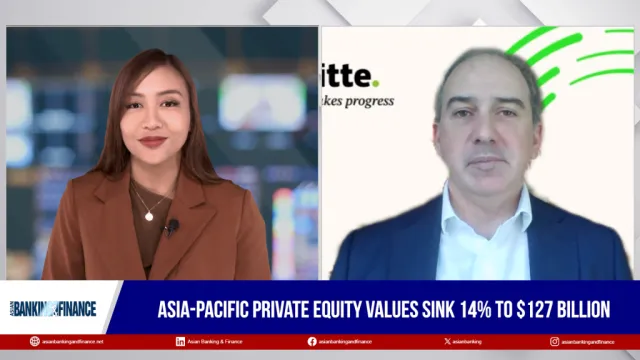
Asia-Pacific private equity is recalibrating after deal values fell 14% to $127 billion, with a tariff shock in April triggering a sharp market pullback before a selective recovery later in the year.
Samuel Padgett, Managing Director and Head of Asia Pacific Private Equity at Deloitte said that the disruption began with the US “Liberation Day” tariffs in April, which led to an immediate slowdown. “We saw a market pullback in M&A activity in April,” Padgett said with weaker deal flow persisting through the Northern Hemisphere summer as investors reassessed risk exposure.
Recovery has been uneven across the region. Padgett said the market “has never been a homogeneous one,” but tariff responses widened the gap further. Economies such as Japan and Korea rebounded faster, whilst India “felt a little stuck” due to competing pressures tied to trade exposure and energy dependencies, highlighting diverging recovery paths across Asia-Pacific.
By the second half, investors adjusted their approach rather than waiting for stability. “61% of deal activity” occurred in the latter half of the year, reflecting what Padgett described as “certainty within this uncertainty.” This shift was driven by a need to continue deploying capital, with investors accepting volatility as a persistent condition and structuring deals more cautiously.
The rebound also reflected a change in sector allocation. Private equity firms are prioritising defensive assets to manage downside risk. “We have seen private equity pivot more towards defensive sectors,” Padgett said, with healthcare investment rising “over 20%,” and healthcare services up “over 40%.” Transportation and logistics also attracted capital, particularly segments tied to supply chain resilience.
Artificial intelligence is emerging as both a risk and a tool. Alongside tariffs, AI is influencing investment decisions, particularly in areas such as supply chain planning and operational efficiency, as firms seek to manage disruptions and improve visibility across markets.
Despite the recovery, the composition of deals suggests caution. The second-half surge reflects both delayed transactions and selective new investments, rather than a full return to pre-tariff conditions.
The result is a more fragmented regional market, where capital is deployed unevenly and strategies are increasingly localised. Investors continue to transact “irrespective of the background noise in the market,” but with tighter risk controls and a stronger focus on resilient sectors.
As uncertainty persists, Asia-Pacific private equity is entering a more disciplined phase, balancing deployment needs with geopolitical risk and shifting towards sectors and markets that offer greater stability and visibility.



















 Read Here
 Advertise
 Sign Up








Commentary
Energy price volatility highlights structural gaps for managing FX risk in APAC
Asia’s electronic markets reach an inflection point of transformation
Tokenisation in the Philippines: The consumer is ready, but is the infrastructure?
Asian firms need to get ready for digital assets and currencies
AI can build your plan, but can it hold you to it?
Built to last: How Japan is approaching the cross-border payments challenge