Think tanks urge Bank of Korea to move from climate research to action
The BOK is called to implement concrete policies that shift financial flows away from high-carbon sectors.
The Bank of Korea (BOK) is urged to take more action to address climate change, according to two think tanks.
Positive Money (UK) and the Institute for Green Transformation (Korea) stated that most of the BOK’s environmental work has focused on research and analysis rather than concrete policies to shift financial flows away from high-carbon sectors.
“The Bank of Korea has taken initial steps to bring environmental considerations into its thinking, but it’s time to move from research to action,” Joe Herbert, senior researcher at Positive Money and co-author of the briefing between the two think tanks, said in a press statement published on 20 April 2026.
The think tanks’ briefing comes on the heels of South Korea securing 273 million barrels of crude oil from Kazakhstan, Oman, and Saudi Arabia. The Korean economy was reportedly rocked by the closure of the Strait of Hormuz, which 70% of its energy supply is imported through.
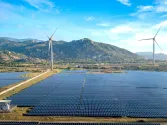
The think tanks recognized that the Korean government has announced plans to raise renewable energy’s share of the country’s electricity generation to a minimum of 20% by 2030. As of 2025, it makes up 11.4% of the share.
They also urge the BOK to recognise the flaws of claims to “market neutrality”, arguing that this privileges sectors that already hold the most power in the economy, which are often high carbon, the press release said.
“The BOK needs to respond to the climate and ecological crisis because the fallout from it threatens the central bank’s core mandate of maintaining price and financial stability; the current geopolitical context simply amplifies this need by highlighting Korea’s current vulnerability to the price volatility of global fossil fuel markets,” Herbert said.
“There have been positive signs from the Korean government and the Bank of Korea - what’s important now is to implement concrete policies that actively shift financial flows away from high-carbon sectors and towards clean ones,” he added.











 Read Here
 Advertise
 Sign Up