Philippine banks face ghost account reckoning amidst biometrics push
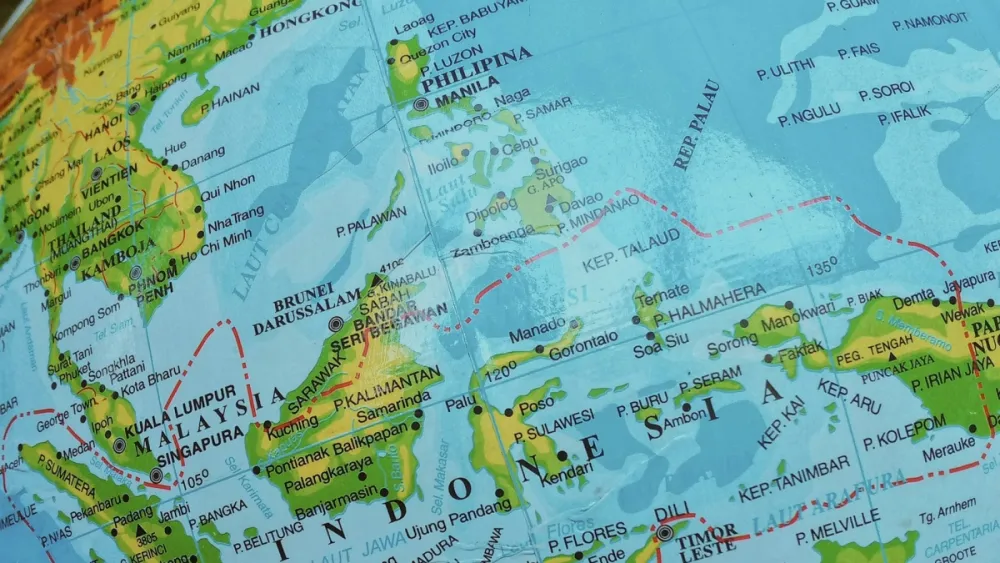
It is going down the same route as Vietnam, where a re-verification mandate shuttered millions of ghost accounts.
Vietnam’s re-verification mandate led to the shutdown of tens of millions of accounts in 2025, a future that the Philippines’ banking industry is headed towards as regulators move towards tightening customer identity rules.
In March 2026, the Bangko Sentral ng Pilipinas (BSP) issued a draft circular pushing banks towards server-side biometric authentication, or where a customer’s identity is verified against records the bank holds and not just a customer’s phone.
This echoes the State Bank of Vietnam (SBV) in 2024, when it enforced biometric verification requirements. It led to the discovery that nearly half of registered accounts in banks—about 86 million of approximately 200 million accounts—could not be matched to a real person, said Trusting Social, a financial technology company, in a May 2026 commentary.
The Vietnam mandate revealed how criminal networks exploit systems that never demanded proof of who its account holders actually were, Trusting Social said.
After the closure of those bank accounts in September 2025, the SBV reported a 59% drop in individual fraud and theft cases, and a 52% fall in accounts receiving illicit funds.
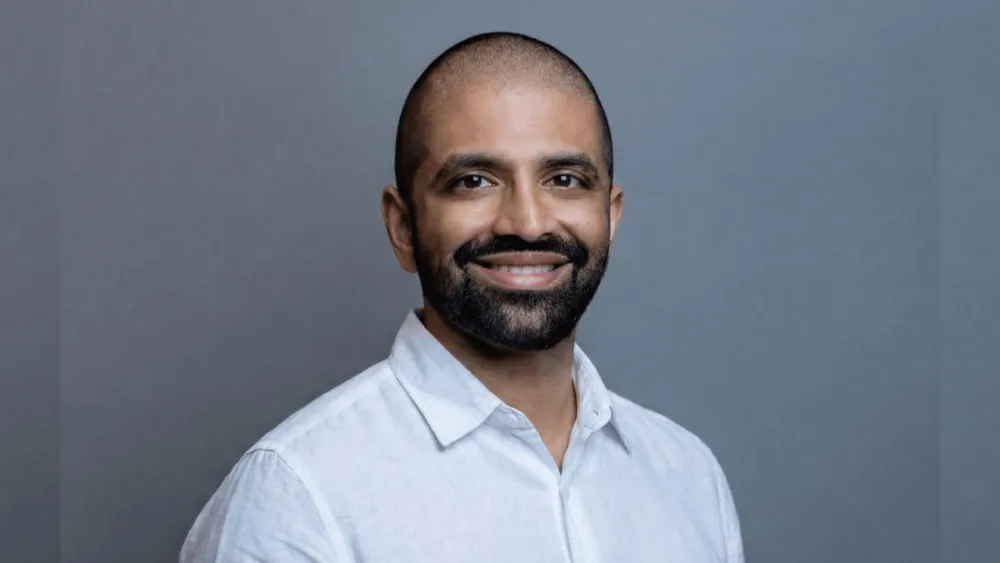
"The institutions that built properly protected their customers and ones that didn't become the new target. That is the lesson we saw play out in Vietnam, and the one the Philippines needs to take seriously,” said Nguyen Nguyen, founder and CEO of Trusting Social.
BSP has already ordered financial institutions to phase out SMS and email one-time passwords for high-risk transactions by 30 June 2026.
Institutions that fall short face direct liability for customer losses under BSP’s new mandate.
The BSP received 70,000 fraud complaints in 2024, whilst the Philippines’ Cybercrime Investigation and Coordinating Center logged 10,004 cybercrime complaints the same year.
Fraud prevention systems across eight leading Vietnamese blocks reportedly blocked over $4.3b in attempted mule transactions in a single year, based on Trusting Social’s data.











 Read Here
 Advertise
 Sign Up