Will free bank transfers accelerate digital payments?
The Philippine central bank expects lower costs to boost digital payments.
Financial institutions in the Philippines are cutting interbank transfer fees after the central bank stepped up scrutiny of electronic payment charges, raising questions about whether lower costs will encourage more Filipinos to use digital transfers.
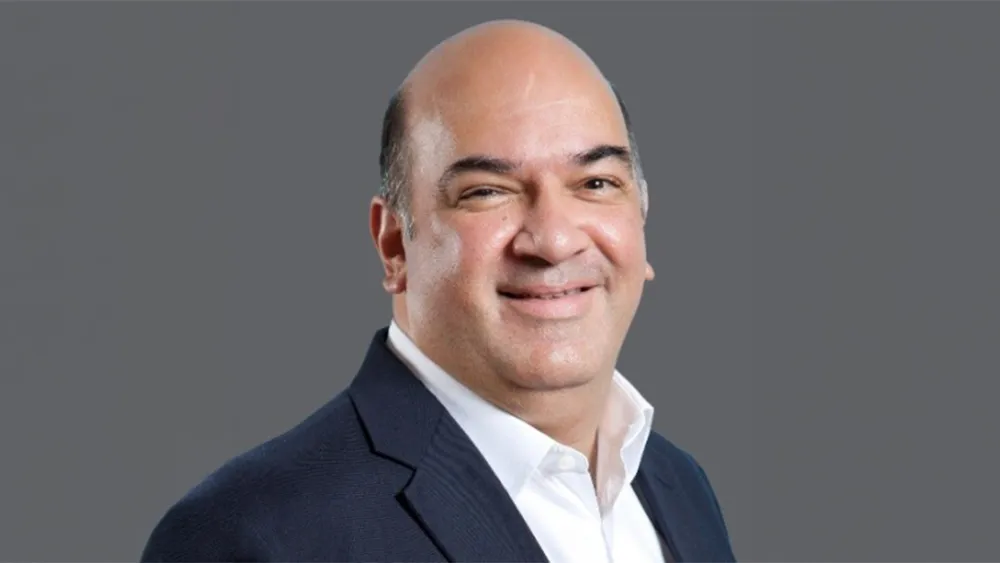
“BPI expects the zero fees to drive more frequent use of digital transfers as customers no longer have to factor in per-transaction costs,” Bank of the Philippine Islands (BPI) President and CEO Jose Teodoro Limcaoco said in a statement.
The Bangko Sentral ng Pilipinas (BSP) issued a circular that says fees for person-to-person electronic transfers between financial institutions should not differ materially from charges for transfers within the same institution. It also requires banks to justify the costs of providing electronic payment services.
BPI waived interbank transfer fees on 1 July, followed by Metropolitan Bank & Trust Co. on 9 July. Neither bank disclosed the effect on fee income.
The BSP said it wants to make digital payments more affordable and encourage wider adoption. BSP Deputy Governor Mamerto Tangonan told reporters on 3 July that processing an InstaPay transaction costs about $0.024 (P1.50).
As of 15 July, BSP data showed many universal and commercial banks no longer charged fees for InstaPay instant fund transfers. Banks that continue to impose fees charge $0.13 (P8) to $0.41 (P25) for InstaPay transfers and as much as $4.05 (P250) for PesoNet batch fund transactions.
The BSP said it looked forward to further initiatives that would make digital financial services more affordable, convenient, and accessible.
Questions to ponder
- Will eliminating transfer fees significantly increase digital payment adoption in the Philippines?
- How can banks replace lost fee income without raising costs elsewhere?
- Should regulators push zero-cost digital transfers across all retail payment channels?












 Read Here
 Advertise
 Sign Up