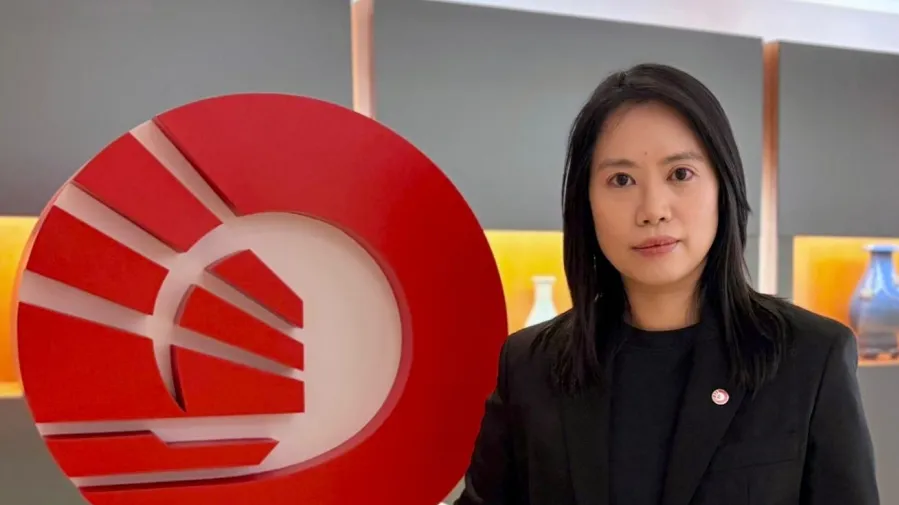
ZA Bank’s Sidney Siu champions compliance by design
Governance isn’t a blocker, it’s a leadership tool.
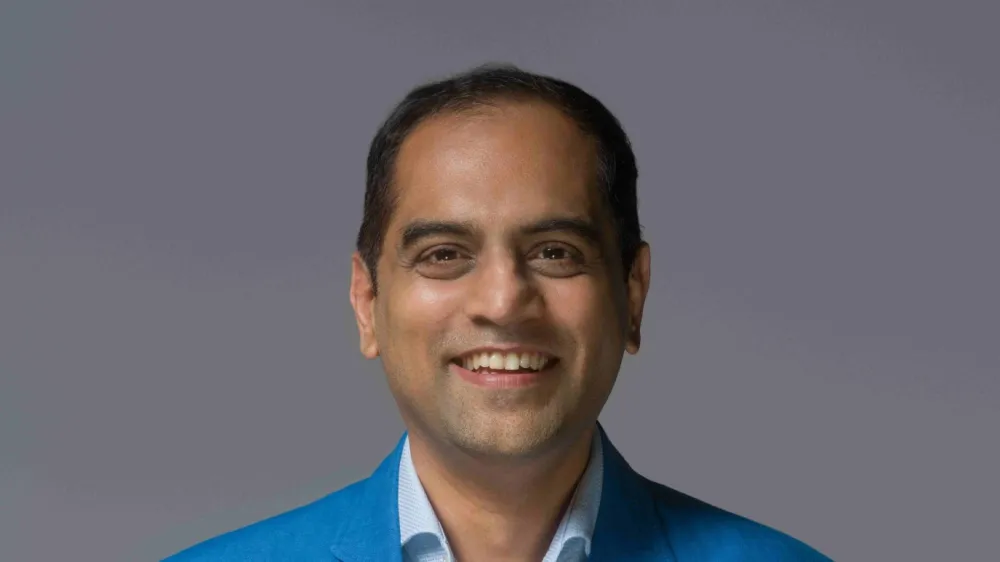
Saying “no” at the right moment proved to be a defining leadership test for Sidney Siu, chief compliance officer and alternate CEO at Za Bank Ltd.
As the Hong Kong-based digital bank raced to launch initiatives, Siu faced pressure to prioritise speed over process—a common tension in fast‑growing fintechs.
Rather than allowing projects to proceed with compliance addressed later, she drew a firm line, insisting that standards could not be compromised.
“The easiest path would have been to just push them through and tidy up the compliance aspects later,” Siu said in an emailed reply to questions. “But I realised I had to be clear that we could not proceed on that basis.”
The decision forced teams to rethink how they moved forward, balancing urgency with regulatory discipline.
For Siu, it marked a shift in how she viewed senior leadership. Compliance, she said, is neither about blocking progress nor bending rules to keep pace, but about helping organisations move quickly without creating future risk.
Today, that mindset shapes her broader leadership philosophy at ZA Bank, where success is measured less by individual problem‑solving and more by building systems, cultures and decision‑making frameworks that allow innovation to scale—safely, consistently and repeatedly.
Here’s the rest of the interview.
What career decision did you make that ultimately shaped your growth as a leader?
"At ZA Bank, we were pushing hard to launch new initiatives very rapidly. The easiest path would have been to just push them through and tidy up the compliance aspects later. But I realised I had to be clear that we could not proceed on that basis. It was not easy to say "No, not like this," but we worked together to redesign the approach so it met our compliance outcomes properly.
That moment was pivotal for my growth because it taught me what senior compliance leadership really means in a bank. It is not about being a blocker, nor is it about being flexible to the point of compromise. It is about staying calm under pressure, holding the line on standards, and then crucially helping the organisation find a compliant route that still delivers pace."
How has your idea of success changed since you first moved into a leadership role?
"Early in my management career, success was about individual delivery—sound judgement, tangible results, and being a dependable business partner. Now, as chief compliance officer and alternate chief executive at ZA Bank, my perspective has evolved. In a fast-paced digital bank, success is not just about solving the problem in front of you. Instead, it is about building systems that work at scale.
I look for “compliance by design” embedded into our products, decisions that protect customer trust, and a culture that empowers people to do the right thing, even when it is inconvenient. Success used to be delivering the right answer. Today, it is about building a bank where the right answer is repeatable."
How has the bank made leadership promotions more equitable?
"Mentoring alone is not the whole solution. From my perspective, the key is to make promotion a controlled, evidence-led decision rather than a subjective one.
At ZA Bank, we try to keep our structural approach simple and consistent. We focus on making the criteria for leadership clear and observable, so decisions are not based just on who is the most visible or confident in the room.
More importantly, we also try to reinforce the right conduct signals. We want to recognise that people who raise issues early or protect customer outcomes are showing true leadership rather than being difficult. By valuing those quiet but critical behaviours, we hope to make that first step into leadership more equitable by design, while staying true to balanced innovation, one of our key corporate values."
How does leadership diversity translate into better business performance?
"I do see a strong link between diversity and risk management. In my experience, a diverse leadership team naturally brings a wider range of risk perspectives.
When you have people around the table who do not all think alike, you are far less likely to have blind spots or fall into groupthink.
The operational habit of stress-testing our decision against these different viewpoints helps us spot potential pitfalls early, before they become costly issues. If diversity prevents a massive regulatory fine, a reputation scandal, or a failed product launch by spotting the risk early, it has directly protected the bank's bottom line."
How do you make flexible work viable for senior women leaders?
"I have found that the real risk is not where people work, but inconsistency in how they are managed. If flexibility depends entirely on which manager you have, it can drive talent away. We try to set clear expectations for colleagues around decision-making and availability, rather than physical visibility.
We also ensure our core compliance routines work effectively regardless of location. More importantly, this relies on our corporate value of being open and transparent. This transparency gives the bank the confidence to support flexible arrangements. It allows senior women, and in fact all colleagues, to sustain their careers without the stigma that they are checking out or missing critical issues just because they are not in the office."
If you could change one industry norm overnight to accelerate gender equality, what would it be?
"I would love to see the shift of focus from mentorship to sponsorship. We often have great mentorship programs where leaders give advice, which is valuable. But I think the real game-changer for gender equality is sponsorship, where a leader actively advocates for someone when they are not in the room.
If I could encourage one change, it would be for every senior leader to identify one high-potential woman and help her get the next big opportunity. It is a subtle shift, but it moves us from just offering guidance to actually opening doors. I believe that if we all took personal responsibility for pulling someone up the ladder behind us, the gender gap would naturally close itself."












 Read Here
 Advertise
 Sign Up