APAC private banking shifts as asset managers tighten grip
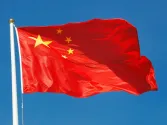
Geographically, China made up 30.50% of the private banking market size in 2025.
Asset management had the largest share in Asia-Pacific’s private banking market share in 2025 with 72.8%, and is likely to grow 12.8% annually through 2031, as clients deepen discretionary mandates and broaden alternatives access.
This growth is supported by increased client demand for discretionary mandates, alternative investments, and new digital bond and tokenisation pilots that lower distribution costs, according to Mordor Intelligence.
Hong Kong is expanding its wealth connectivity with mainland China, including updates to the Wealth Management Connect scheme, providing fund managers with a broader investor base.
Meanwhile, private banks are increasingly adopting artificial intelligence tools to speed up client proposals and monitor risk, whilst routinely embedding environmental, social, and governance (ESG) metrics into portfolio construction.
The personal banking segment, which focuses on individuals and families, held 96.99% of the total market size in 2025.
It is forecast to grow at a 12% CAGR through to 2031. Wealth generated by entrepreneurs and business founders is driving demand for bespoke lending, succession planning, and trust services.
High digital adoption in the region has also led banks to invest heavily in 24/7 hybrid advisory channels.
In contrast, the enterprise segment remains a small, complementary sector focused mainly on corporate employee wealth programs and securities lending.
Geographically, China made up 30.50% of the private banking market size in 2025, with Hong Kong serving as the offshore hub for its international investors.
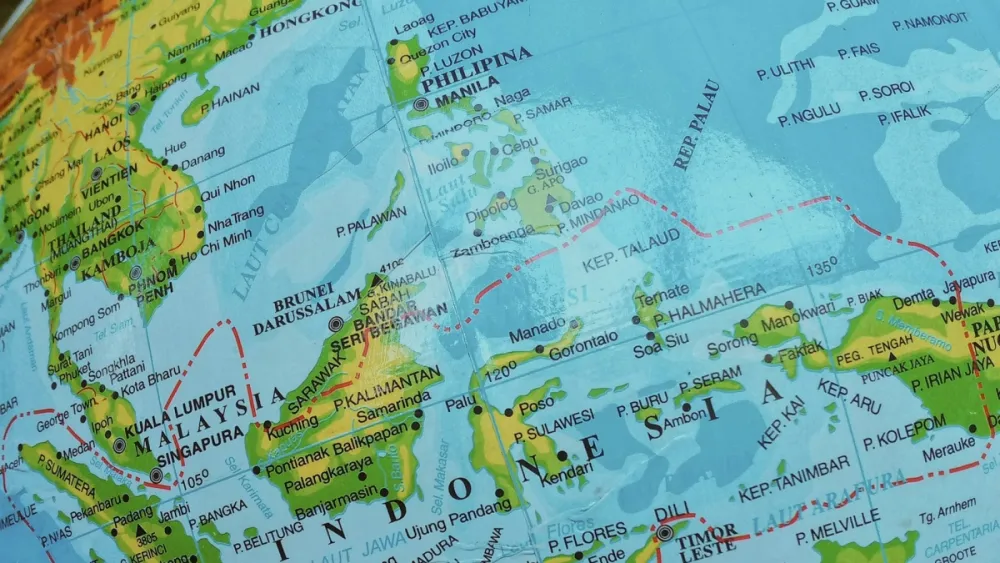
Southeast Asia is projected to be the fastest-growing sub-region, tracking an 11.00% CAGR through to 2031, supported by clear regulations and family office programmes in Singapore.
Other major contributions to regional wealth flows come from institutional capital in Australia’s superannuation system, corporate reforms in Japan, and wealth channels in India and South Korea.
















 Read Here
 Advertise
 Sign Up