Banks push ‘embedded data’ partnerships as digital lending hits limits in PH
Banks like RCBC are moving away from standalone apps toward payroll and supply-chain partnerships.
Digital banking in the Philippines is entering a critical inflexion point as lenders confront a persistent credit paradox: Filipinos pay significantly more for personal loans than consumers in comparable markets, yet banks and fintechs still struggle to lend profitably to the mass market.
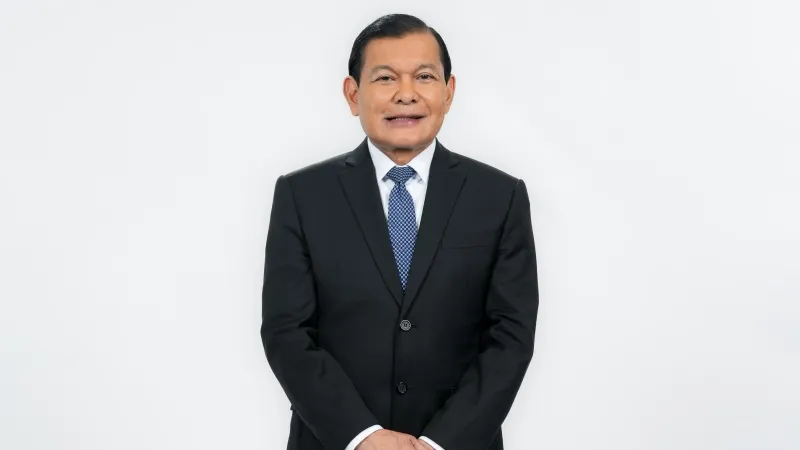
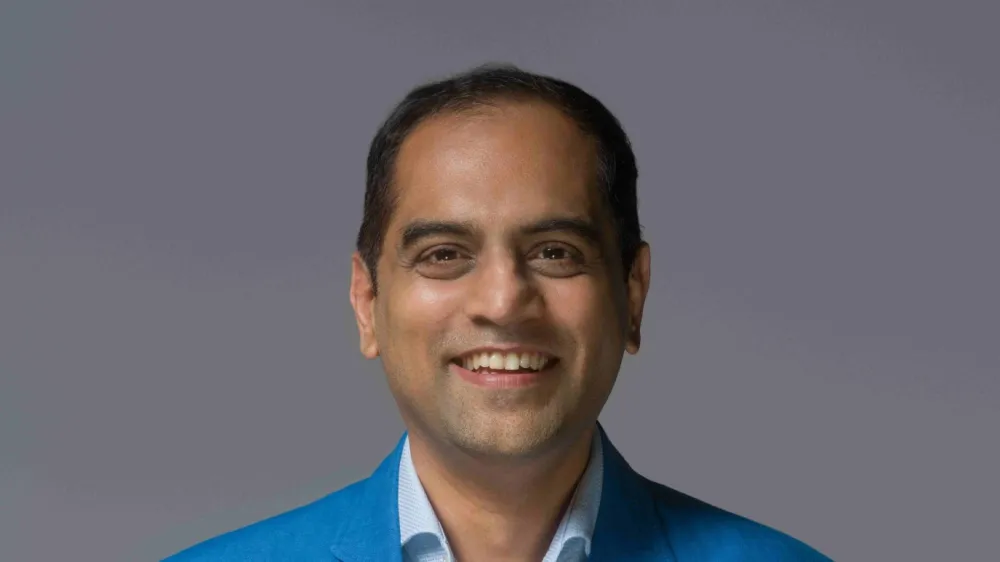
During a panel session at the Asian Banking & Finance and Insurance Asia Summit – Philippines on 10 March, Boston Consulting Group partner Kunaal Wadhwa and RCBC vice president for Usage & Strategic Business Mykee Cruz discussed why efforts over the past decade—from digital lenders to traditional banks experimenting with small-ticket loans—have repeatedly run into the same barriers.
Wadhwa noted that the average Filipino pays two to three times as much for a personal loan as consumers in comparable markets. But despite the high yields, lenders often step back due to three structural issues: distribution challenges, difficulty assessing creditworthiness in the informal sector, and the high cost of underwriting the “first loan” that establishes a record.
Cruz said the data needed to underwrite these customers does exist—but it is fragmented.
“We have these silos of data in different places,” he said, pointing to gig-economy platforms, payroll systems, and supplier networks as examples of high-quality but inaccessible datasets.
He added that RCBC observed the limits of fully unsecured, small-ticket digital loans firsthand. Borrowers typically take out a loan, repay it, move up the tiered limits, and then move to another lender to repeat the cycle. This churn, combined with rising fraud risks, makes purely digital, unsecured models difficult to sustain.
Customer stickiness, Cruz emphasised, has become the single biggest challenge for digital banks and fintechs.
“Customers now, particularly in the digital banking space, have almost no loyalty,” he said. Many users simply chase the best promo or introductory offer, then switch to the next provider.
Because of this, the experts argued, banks need embedded use cases—not just standalone apps—to create durable engagement. Linking credit to a user’s payroll account, a ride-hailing platform, or a sari-sari store supply chain creates a level of relevance that promotional deposits or high app interest rates cannot replicate.
Cruz cited the example of fintechs that deliver supplies to sari-sari stores: “A fintech that deals mostly with delivering supplies of sari-sari stores gives invaluable data on which stores are performing,” he said. Access to this kind of transaction data allows banks to assess repayment capacity where traditional credit bureaus currently have limited reach.
Both speakers agreed that, in the near term, the Philippines will continue operating largely within private data ecosystems, whether driven by conglomerates, gig platforms, or fintech communities. These remain the richest sources of alternative data. Over time, broader data-sharing—whether via credit bureaus or regulatory intervention—may complement this, but the immediate opportunity lies in partnerships.
RCBC is already working through such ecosystems, including agency banking initiatives with sari-sari stores to serve customers where formal branches are scarce. Cruz also stressed the importance of increasing digital usage among customers, as more transactions create more data that lenders can use to build credit histories.
Ultimately, Wadhwa said the paradox of high demand and high failure rates can only be solved if lenders lower underwriting costs through better data. Cruz echoed this: “There’s no shortcut. It’s really tapping the right sources of data, partnering with these big communities and trying to offer a credit solution to them.”
The banks that lean into collaboration—rather than operating in silos—will be best positioned to extend safe, affordable credit to underserved Filipinos.









 Read Here
 Advertise
 Sign Up