Cybercrime tops insurance risks as AI heightens threats: PwC
Economic pressures and climate change round out the top five risks for the sector.
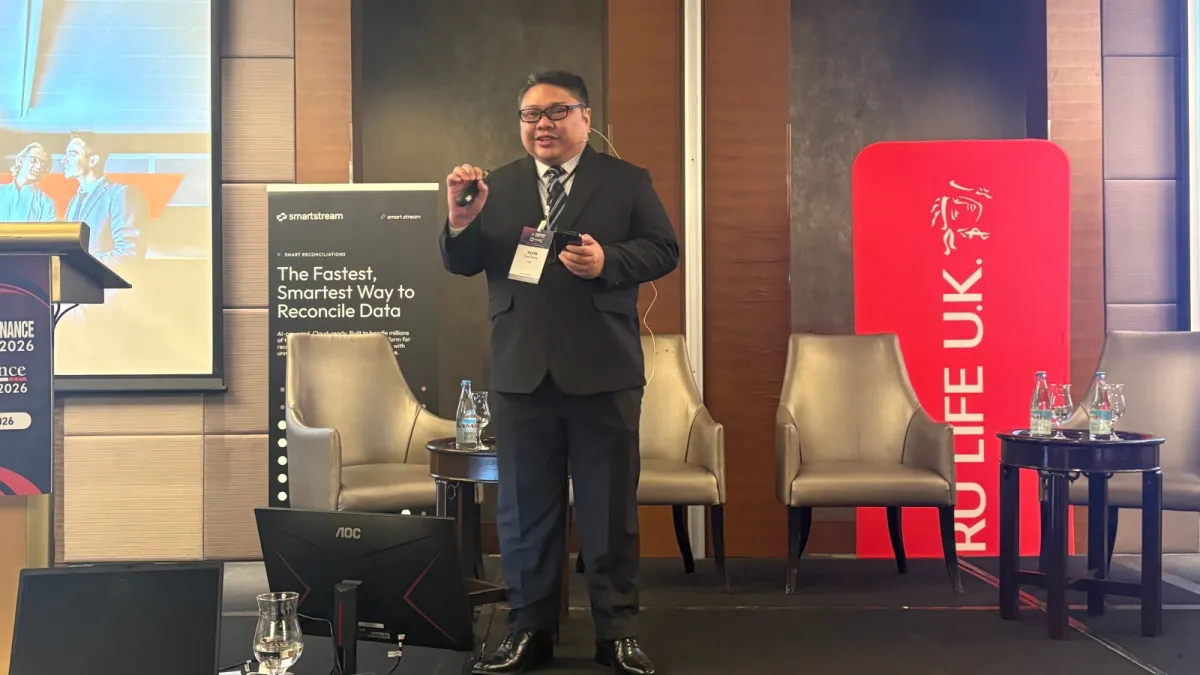
Insurers should strengthen governance and operational controls as cybercrime remains the biggest threat facing the industry globally, according to Alvin Dave Pusing, director for financial services and risk consulting at PwC.
Cybercrime has been the top risk — or what Pusing calls a “banana skin” — since 2023, he told the Asian Banking & Finance and Insurance Asia Summit in the Philippines.
From a regional perspective, cybercrime ranks number one across Europe, Asia Pacific, North America, and Africa, he said.
Artificial intelligence (AI) ranked second. “It is not only a source of risk because of governance and implementation issues, but it can also amplify other concerns, including cybercrime,” Pusing said.
He cited findings from PwC’s Insurance Banana Skins 2025 survey, which gathered 698 responses across 42 territories and identified key risks facing insurers over the next two to three years.
Technology risks, economic pressures, and climate change completed the top five concerns.
Pusing said cybersecurity and data protection are key to maintaining customer trust. “Trust is also influenced by pricing fairness and claims experience, since policyholders expect fair treatment when filing claims.”
Meanwhile, risk priorities vary across the industry. For non-life insurers, climate change ranks higher because of exposure to natural disasters, whilst life insurers place greater emphasis on macroeconomic pressures that affect insurance affordability and savings products.
In the Philippine context, Pusing said the country faces a protection gap, with insurance penetration remaining below 2%.
“Distribution is still heavily reliant on bancassurance and agency channels, and whilst digital channels are expanding, financial and digital literacy gaps remain,” he added.
The country’s exposure to typhoons, floods, and other catastrophic events also raises sustainability risks for insurers, particularly in the non-life sector.
Pusing said insurers should prioritise key intersections when responding to these risks, including AI and financial inclusion, climate risk and affordability, and regulation and customer trust.
Moreover, he urged them to reflect on potential blind spots in their strategies.
“What risk might you be underestimating? Where do you need to be more inclusive while remaining profitable? And what step can you take to strengthen trust with customers or regulators?” Pusing said.
















 Read Here
 Advertise
 Sign Up