Westpac urges greater social media accountability as personalised fraud spikes
The bank noted a sharp rise in “Hi Mum” and business email or invoice scams.
Westpac’s fraud prevention head said that social media companies must take greater responsibility in stopping scams before they reach Australians.
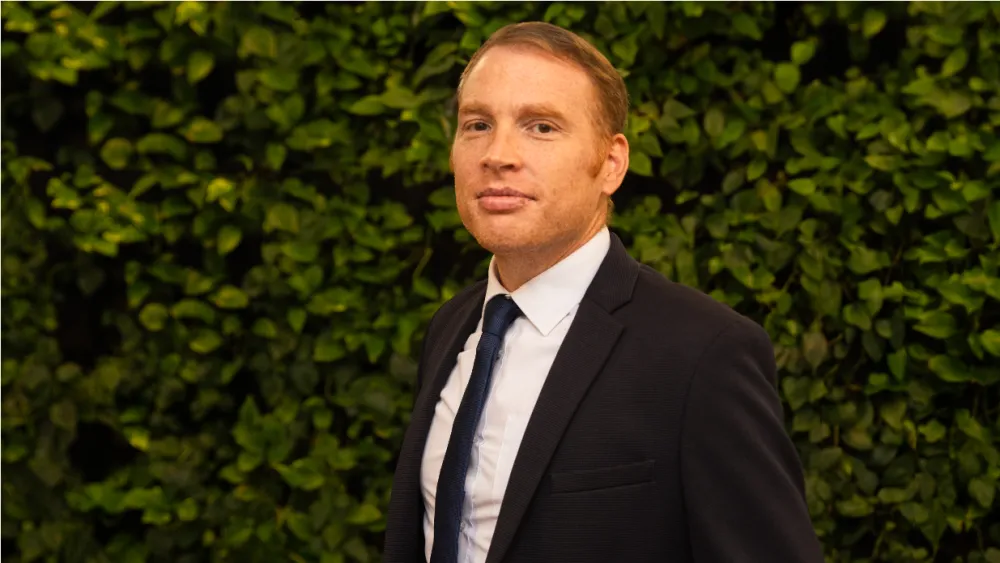
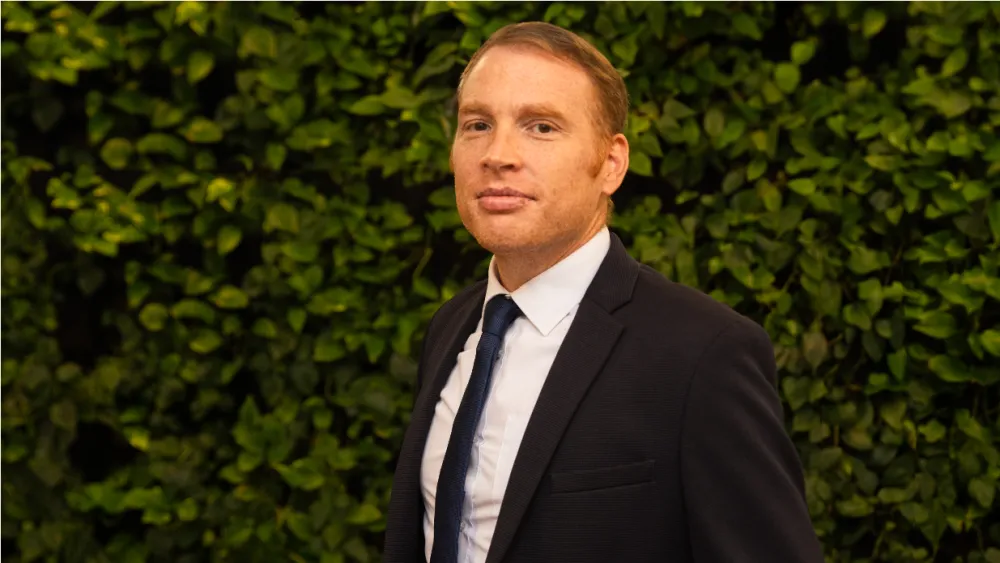
“These are organised criminal operations, not isolated incidents. Platforms that profit from advertising need to do more to prevent scam content from spreading in the first place,” Ben Young, head of fraud prevention at Westpac, said in an online statement published in April 2026.
Young noted that some scams show up as ads, posts, and pages in social media sites.
The call comes as Westpac warned against a new wave of personalised AI-driven scams.
In the online statement, the Australian bank noted a sharp rise in “Hi Mum” and business email compromise or invoice scams that use cloned voices, faces, and video calls.
“From deepfake voices and videos to registering fake companies with [the Australian Securities and Investment Commission], scammers are evolving quickly in their efforts to rip Australians off,” said Young.
Scammers may offer customers fake ‘safe’ investment returns such as fake term deposits, bonds, and precious metals. Cryptocurrency scams may also spike as a result of the economic uncertainty, Westpac said.
Criminals may register companies that appear legitimate but are actually sophisticated investment and payment scams.
Other forms of scams include fake job ads to recruit money mules, rental bond scams where they create listings and demand upfront bond money, and fake aid organisations and charity scams.
Scammers may also target older Australians with fake community groups, used to capture card details or lure people into handing over money, Westpac warned.













 Read Here
 Advertise
 Sign Up