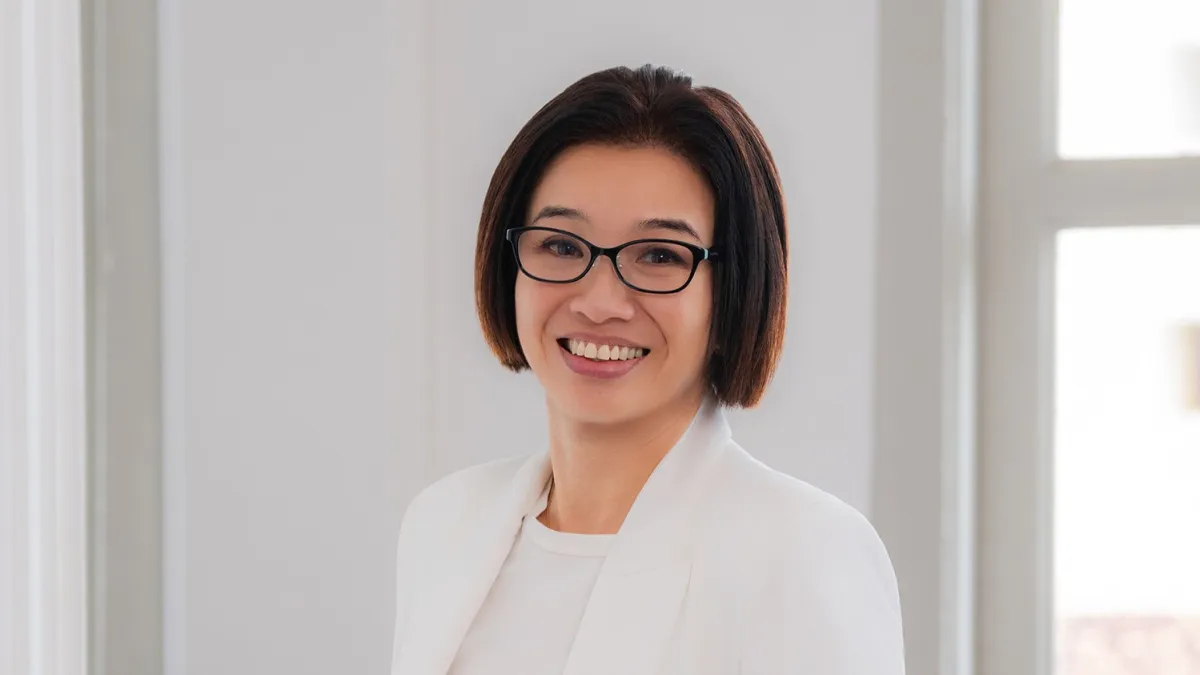
Citi's Isobel Nordstrom guides Asian banks through change
Clients increasingly seek the lender’s advice on supply chains, trade, and risks.
Banks across South and Southeast Asia are rethinking growth strategies as digital change and geopolitical tensions alter the financial landscape, pushing many to seek advice from global lenders such as Citigroup, Inc.
Financial institutions increasingly turn to the bank for guidance on inflation outlook, trade flows, and how geopolitical risks could affect their loan books, Isobel Nordstrom, managing director and head of Asia South financial institutions for corporate banking at Citi told Asian Banking & Finance.
“Our clients look to us for advice on mitigating geopolitical risks and on first- or second-derivative corporate impact on their books,” she said via Zoom.
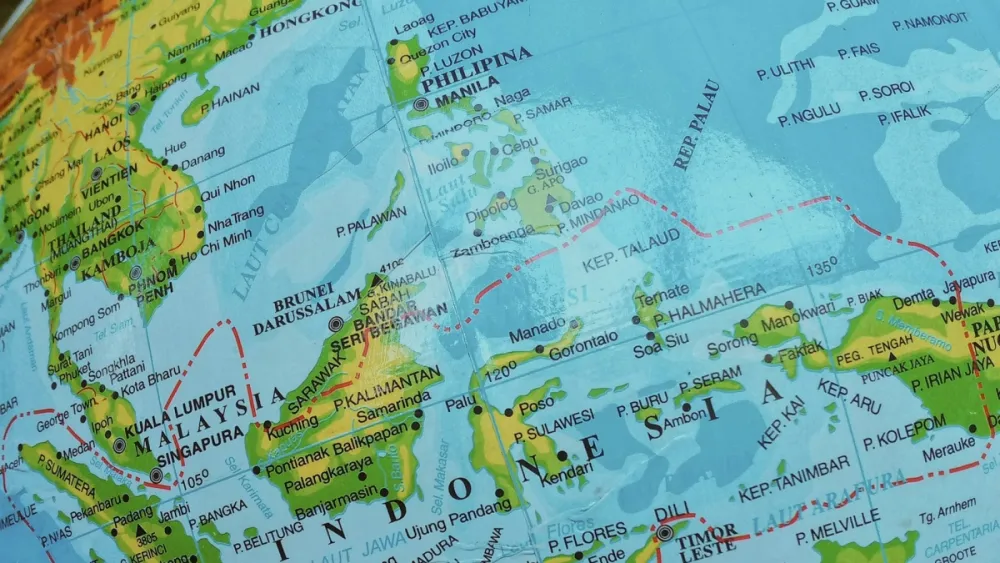
Citi groups India, Indonesia, Malaysia, the Philippines, Singapore, Thailand, Vietnam, Bangladesh, and Sri Lanka under its Asia South cluster.
Banks in the region face tighter and more varied regulations than those in some developed markets, Nordstrom said. The rules limit how deeply lenders can expand into complex financial products.
“Our regulatory environment here is different compared with the Nordics,” she said, referring to her previous role leading Citi’s financial institution business in Northern Europe. “While that may mean limited market depth, we are seeing some encouraging developments especially in the capital markets products these past couple of years.”
At the same time, financial institutions across the region face pressure from cautious asset growth, interest-rate shifts, and the need to rethink their business models.
Pressure on net interest income has pushed banks to seek other sources of revenue, Nordstrom said. Many now want to expand fee-based businesses such as wealth management.
“The pressure on net interest income means banks are looking more at fees and commissions as a share of revenue growth,” she said.
Wealth management is emerging as a key focus, particularly for banks with a regional footprint.
“If you ask where the FI banking space will head in the next few years, I would say a stronger wealth focus for financial institutions with a pan-Asia presence,” Nordstrom said.
Technology is another priority. Many lenders are exploring how artificial intelligence can support operations and shape future business models.
For Citi, advising clients means tailoring solutions to each institution rather than applying a single strategy.
The bank may combine market, capital and funding solutions depending on the client’s needs.
Nordstrom did not plan to become a banker. After graduating from the National University of Singapore with a degree in economics in 1996, she initially applied for advertising jobs.
“My first job offer actually came from Citi,” she said. “Twenty-nine years later, I’m still with the organisation.”
Citi’s global network allowed her to work across different roles and regions. Each move felt like starting a new job, she said, because of the varied markets and clients.
Beyond business, Nordstrom has supported inclusion efforts within the bank. Whilst leading Citi’s Nordic financial institution business, she helped run the Nordics Women Network, one of several inclusion networks aimed at promoting inclusion and cultural awareness.
Today, more than 44,000 Citi employees take part in such networks globally. The bank also runs a Citi Women Inclusion Network with almost 22,000 members globally.
Nordstrom said building a more inclusive workplace requires support across the organisation.
“You need the sponsors and the senior leaders to come along,” she said. “And you also need the next generation to contribute. These are not things that you can change overnight.”
She urged young women entering banking to pursue opportunities actively.
“Be bold and take the opportunities,” Nordstrom said. “And if they do not come to you, ask for them.”












 Read Here
 Advertise
 Sign Up