Philippines cash holds 42% of POS payments despite e-wallet rise
GCash reached nearly 3 in 4 consumers and linked 94 million users to 6 million merchants.
Digital wallets and account-to-account (A2A) payments continue to expand in the Philippines, although cash remains the most widely used payment method, according to the Global Payments Report 2026 report by Worldpay.
Led by GCash, digital wallets accounted for 41% of e-commerce transaction value and 29% of point-of-sale (POS) payments in 2025.
GCash is used by nearly three in four consumers and connects more than 94 million users to over 6 million merchants.
Other wallets, including Maya, Lazada Wallet and ShopeePay, also ranked highly amongst surveyed users.
A2A payments are also gaining ground, supported by systems such as InstaPay and QR Ph.
In 2025, A2A transactions made up 13% of e-commerce value and 7% of POS payments. QR Ph allows buyers and sellers to connect using QR codes, with transactions completed through digital wallets or domestic banking applications.
Growth in these channels is being supported by efforts from the Bangko Sentral ng Pilipinas to promote interoperability with payment systems across Southeast Asia.
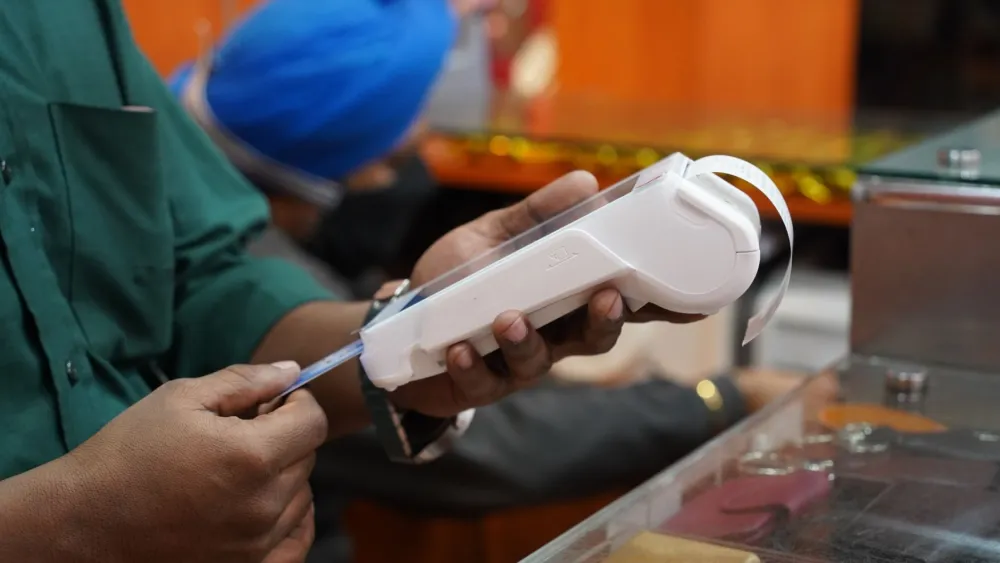
Despite this shift towards digital payments, cash remains dominant in the Philippines. It accounted for 42% of POS transaction value, the highest share amongst markets covered in the report.
Cash on delivery also represented 23% of e-commerce value, reflecting its continued importance, particularly amongst unbanked consumers.
The Bangko Sentral ng Pilipinas reported that digital payments reached 57.4% of retail transaction volume in July 2025, exceeding its 50% target.
However, cash on delivery continues to support e-commerce growth, especially given that around 50% of the population remained unbanked as of 2024, according to the World Bank.










 Read Here
 Advertise
 Sign Up